Chinese-Hunan Cuisine
Xiang, Xiang Cai, 湘菜 (China, Hunan Provin…)
2 2 0
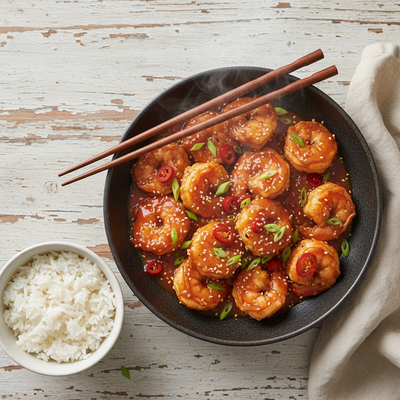
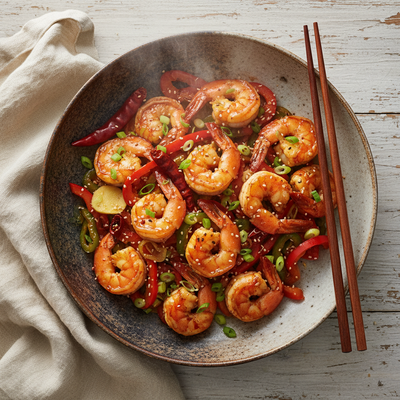
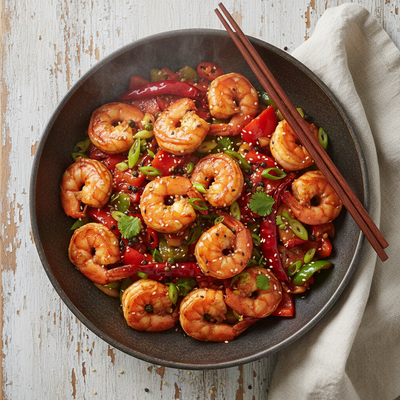
Hunan, also known as Xiang, is one of the Eight Great Traditions of Chinese culinary arts, renowned for its bold, fiery flavors, deep colors, and fresh aromas. Originating from the agricultural abundance of the Xiang River region, Lake Dongting, and the western Hunan hills, this vibrant style relies heavily on fresh garlic, shallots, and the liberal use of chili peppers. Unlike the numbing heat of Sichuan food, Hunan dishes offer a dry, pure spice that intensely awakens the palate. Historically favored by prominent figures like Mao Zedong, the food reflects a culture of resilience and passion. Common cooking techniques include smoking, curing, stewing, and stir-frying, which beautifully highlight staple ingredients such as smoked pork, river fish, and a dizzying array of pickled vegetables and fresh chilies, creating an unforgettable and dynamic tasting experience.
| Term | English Translation |
|---|---|
| Xiang (湘) | Hunan (abbreviation) |
| Cai (菜) | Cuisine or Dish |
| La (辣) | Spicy |
| Gan (干) | Dry |
| Rou (肉) | Meat (typically pork) |
| Niu rou (牛肉) | Beef |
| Ji (鸡) | Chicken |
| Yu (鱼) | Fish |
| Duo jiao (剁椒) | Chopped salted chilies |
| La rou (腊肉) | Smoked or cured meat |
| Chao (炒) | Stir-fried |
| Tang (汤) | Soup |
| Mifen (米粉) | Rice noodles |
Dishes: 2 / 2